
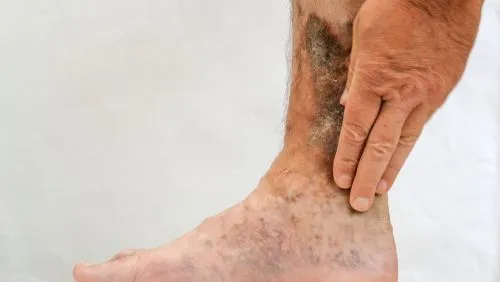
Venous ulcers are open wounds that form when poor circulation in the legs prevents the skin from healing properly. They most often develop near the ankles and can persist for months without specialized care. At Central PA Physicians Group, with locations in Altoona, Everett, Roaring Spring, Patton, State College, and Windber, PA, patients receive comprehensive treatment designed to promote healing, relieve symptoms, and prevent ulcers from returning.
What Causes a Venous Ulcer
A venous ulcer results from an underlying condition called chronic venous insufficiency, wherein the veins in the legs have difficulty returning blood to the heart. As the pressure inside the veins rises, fluid can spill into the surrounding tissues and injure the skin, creating a non-healing wound. Risk factors include a history of leg swelling, varicose veins, deep vein thrombosis, and extended periods of sitting or standing. Before the ulcer appears, patients may experience aching, itching, discoloration, or thickened skin in the lower legs.
Symptoms and Why Early Care Matters
Venous ulcers can be painful and increase the risk of infection if not treated promptly. Symptoms include a shallow open wound, redness around the edges, swelling, and drainage. Due to the importance of circulation in the healing process, early medical care is essential. If left untreated, the ulcer may grow in size, become infected, or lead to long-term skin changes. At Central PA Physicians Group, every patient is examined carefully to identify the source of the ulcer and select the best treatment approach.
Treatment Options for Venous Ulcers
The aims of treatment are threefold: to enhance circulation, support the closure of the wound, and prevent recurrence. One of the most effective treatments is compression therapy, which lessens swelling and helps support normal blood flow in leg veins. Patients may also be treated with gentle wound cleaning, medicated dressings, and procedures to remove dead tissue that slows healing. In some instances, patients may be advised to use medications or minimally invasive vascular procedures to correct underlying vein problems that may interfere with long-term recovery.
Supportive Care and Prevention
Once the ulcer begins healing, ongoing care helps prevent it from coming back. Patients may be advised to elevate their legs, wear compression stockings, and make lifestyle changes that improve circulation. Regular follow-up visits allow the care team to monitor progress and adjust treatment as the wound heals. By addressing both the ulcer and its underlying cause, patients can experience better mobility and improved comfort.
Schedule an Appointment
If you have a leg wound that is slow to heal, expert care can make a meaningful difference. Central PA Physicians Group provides complete evaluation and treatment for venous ulcers at all office locations throughout Altoona, Everett, Roaring Spring, Patton, State College, and Windber, PA. To schedule a consultation, call (814) 201-2309 and learn how specialized treatment can help restore healthy healing.