
Pulmonary Function Tests:
- A group of tests that measure how well your lungs function
- They measure lung volumes, flow rates, gas exchanges, and lung capacities
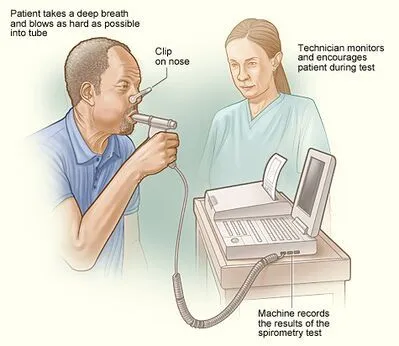
Indications for Pulmonary Function Tests (PFTs):
Diagnosing Respiratory Conditions:
- Chronic Obstructive Pulmonary Disease (COPD)
- Asthma
- Interstitial Lung Disease
- Pulmonary Fibrosis
- Cystic Fibrosis
Preoperative Assessment:
- To assess lung function before surgery, particularly for major surgeries like thoracic or abdominal procedures.
Monitoring Disease Progression or Treatment:
- To evaluate the effectiveness of treatments for conditions like asthma, COPD, and pulmonary fibrosis.
Evaluating Shortness of Breath (Dyspnea):
- If a patient is experiencing unexplained breathlessness or difficulty breathing.
Pre-employment or Occupational Health Screening:
- For individuals working in environments with exposure to hazardous substances or jobs requiring optimal lung function (e.g., miners, firefighters).
Assessing Restrictive Lung Diseases:
- Conditions like obesity-related restriction or neuromuscular diseases that can affect lung function.
Monitoring Drug-induced Lung Toxicity:
- To track lung health in patients taking medications that may affect lung function (e.g., chemotherapy, amiodarone).
- PFTs are particularly important for patients on amiodarone due to the risk of pulmonary toxicity associated with the drug.
Screening for Sleep Apnea (in some cases):
- PFTs may be used to assess lung function in patients with suspected sleep-related breathing disorders.