
Peripheral Artery Disease (PAD): Causes, Symptoms, and Treatment in Altoona, State College, & Serving Bedford, PA
Peripheral Artery Disease (PAD) is a common but serious circulatory condition that affects the arteries outside the heart—most commonly in the legs. At Central PA Physicians Group, we specialize in diagnosing and managing PAD to help patients reduce discomfort, prevent complications, and improve their overall quality of life.
What Is Peripheral Artery Disease?
PAD occurs when plaque (a buildup of fat, cholesterol, and other substances) narrows or blocks the arteries that supply blood to your limbs. This restricts blood flow, leading to symptoms like leg pain, numbness, and fatigue, especially during physical activity. Left untreated, PAD can increase your risk of heart attack, stroke, and limb loss.
Common Signs and Symptoms of PAD
PAD often develops slowly, and symptoms may be easy to dismiss. Watch for these warning signs:
- Cramping, aching, or fatigue in the legs or hips during walking (intermittent claudication)
- Numbness or weakness in the legs
- Coldness in the lower leg or foot
- Sores on toes, feet, or legs that won’t heal
- Shiny skin or slower hair growth on the legs
- Weak or absent pulse in the legs or feet
If you notice these symptoms, early evaluation is key.
Who Is at Risk?
Risk factors for PAD include:
- Smoking
- Diabetes
- High blood pressure
- High cholesterol
- Obesity
- Age 50 and older
- Family history of vascular disease
PAD is especially common among individuals with diabetes or a history of heart disease.
Diagnosis and Treatment
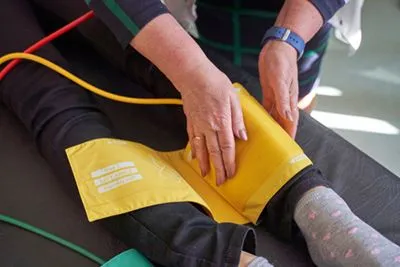
At Central PA Physicians Group, we offer advanced screening tools such as the ankle-brachial index (ABI) and vascular ultrasound to accurately diagnose PAD. Once diagnosed, our providers create a personalized care plan that may include:
- Lifestyle changes: Quitting smoking, improving diet, and starting a walking program
- Medications: To manage blood pressure, cholesterol, and prevent clots
- Minimally invasive procedures: Such as angioplasty or stent placement if necessary
Our goal is to restore healthy blood flow and help you stay active and independent.